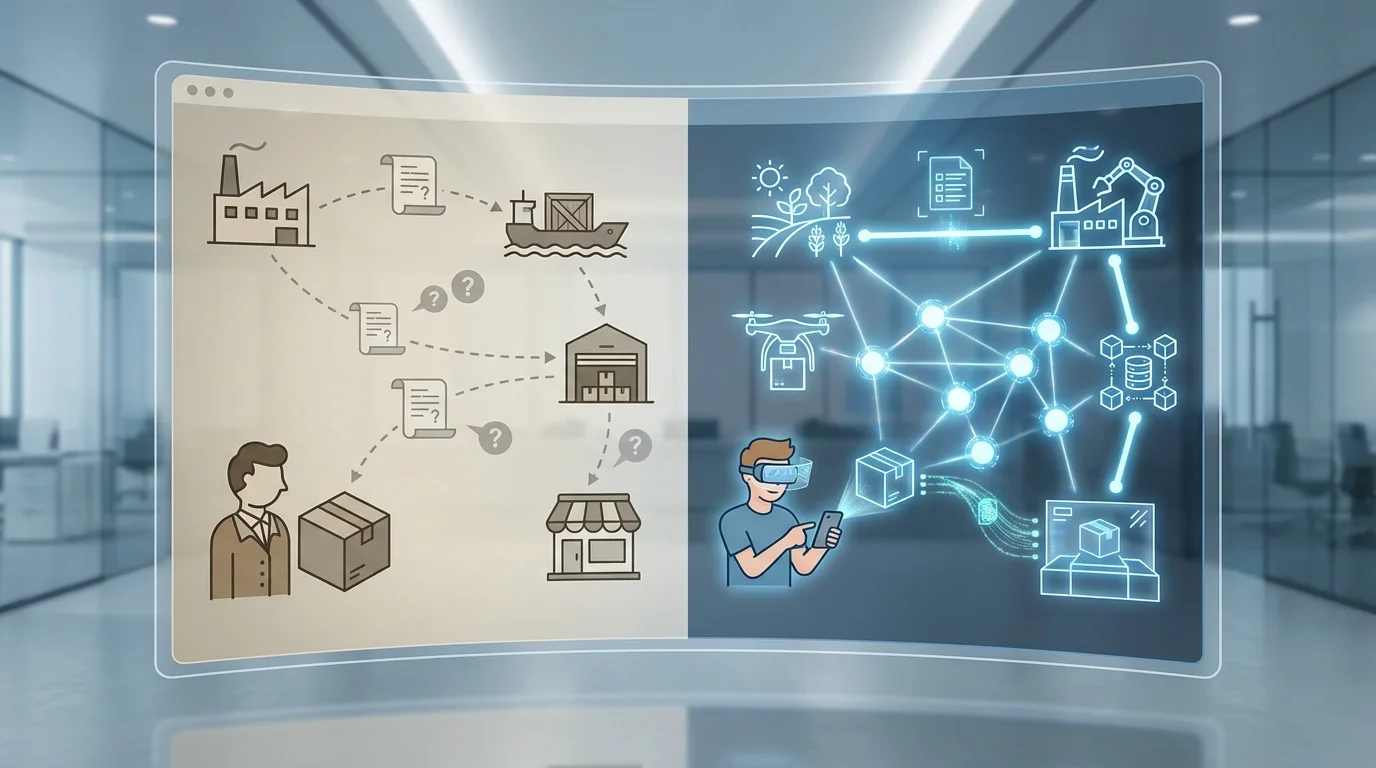

AI Bot Implementation Roadmap for Major Manufacturers: Migration Steps from PoC to Enterprise Scaling
The core of Digital Transformation (DX) in the manufacturing industry lies in the mobilization of vast knowledge. The latest LLMs (Large Language Models) have dramatically improved the "limitation of answer accuracy" faced by former rule-based chatbots. However, for major manufacturers to implement AI bots on a company-wide scale and obtain continuous Return on Investment (ROI), a strategic migration from PoC (Proof of Concept) to enterprise scaling, rather than simple tool introduction, is essential. In this article, we systematically explain cross-organizational governance design and implementation processes.

Table of Contents (Click to Expand)
1. Phase 1: Value Verification by PoC and Identification of Use Cases
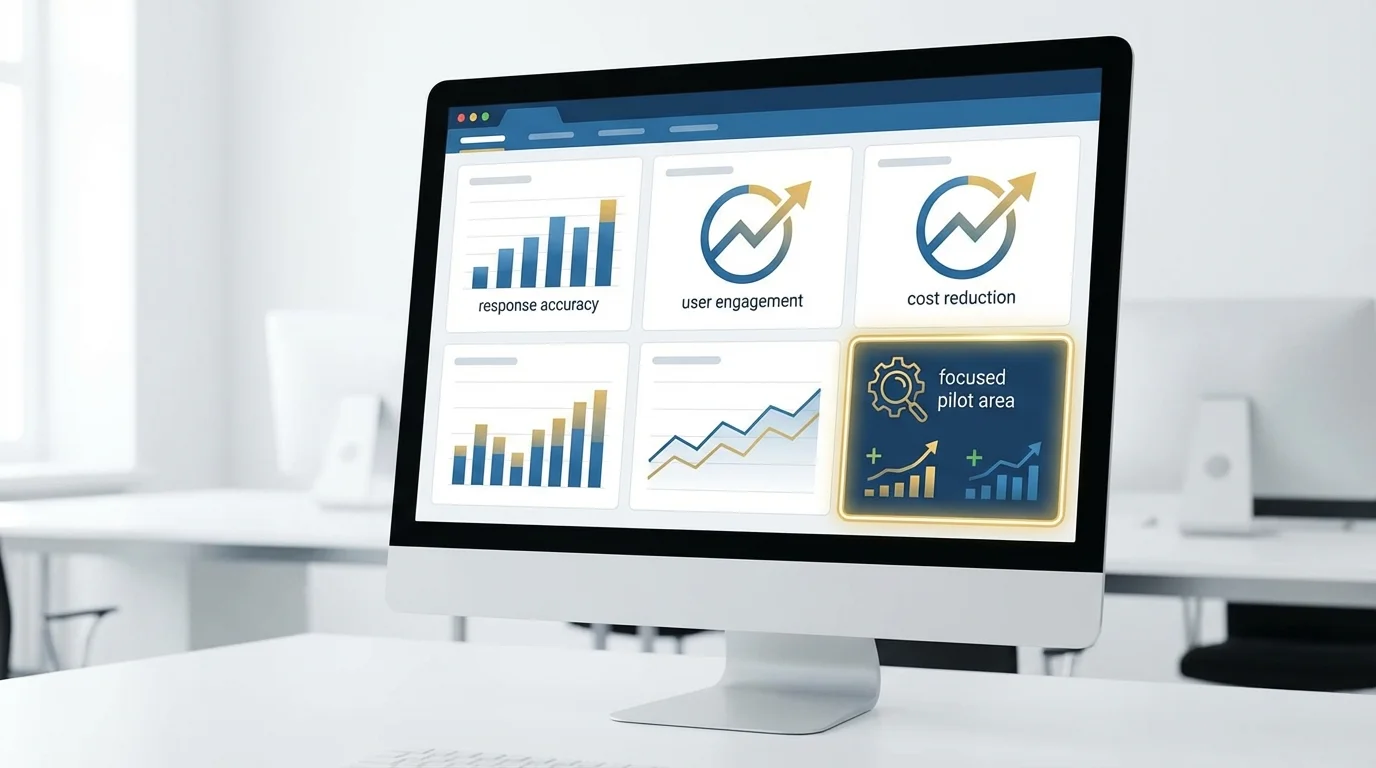
The first step is not to rush company-wide deployment, but to create a "successful experience in a limited area". For major manufacturers, automation of technical manual search, inquiry of internal regulations, or IT help desk is suitable.
- Narrowing down the target scope: Select departments with abundant structured data (PDF manuals and Wiki).
- Setting Success Indicators (KPI): Evaluate not only the reduction rate of inquiry response time but also user satisfaction and accuracy of information.
2. Phase 2: Enterprise Governance and Construction of RAG
After the success of PoC, what you face are the walls of security and data. Especially in the manufacturing industry, since highly confidential design information and information related to patents are handled, construction of a secure information reference model by RAG (Retrieval-Augmented Generation) is essential.
Here, instead of having LLM learn directly, we adopt a method of searching for necessary information from an external database and generating an answer. This makes it possible to reflect the latest internal information while suppressing hallucinations (false answers).
3. Phase 3: Company-wide Scaling and Maximization of ROI
In the final stage, expand from specific departments to the entire company. At this time, management of token costs and optimization of API usage are important. By building a centralized platform instead of each department contracting separately, infrastructure costs are suppressed, and cross-use of knowledge is promoted.
4. Visualization of Introduction Effect (Data Analysis)
Comparing business efficiency before and after the introduction of AI bots, significant differences appear in many companies as follows. In particular, reduction of search time contributes to direct suppression of personnel costs.
RECOMMEND