

How to Start Cross-Border EC: 5 Steps for SMEs to Open Overseas Sales Channels with Low Risk
"I want to start cross-border EC, but I don't know where to begin." "Selling overseas seems too risky." Are you hesitating like this? The core of how to start cross-border EC is not just translation or international shipping, but lies in understanding the target market's regulations, customs (HS codes), logistics schemes, and localization in a MECE framework and proceeding step by step. In this article, we explain the 5 practical steps specifically designed for small to medium enterprises.

Table of Contents (Click to Expand)

1. Market Selection and MECE Platform Analysis
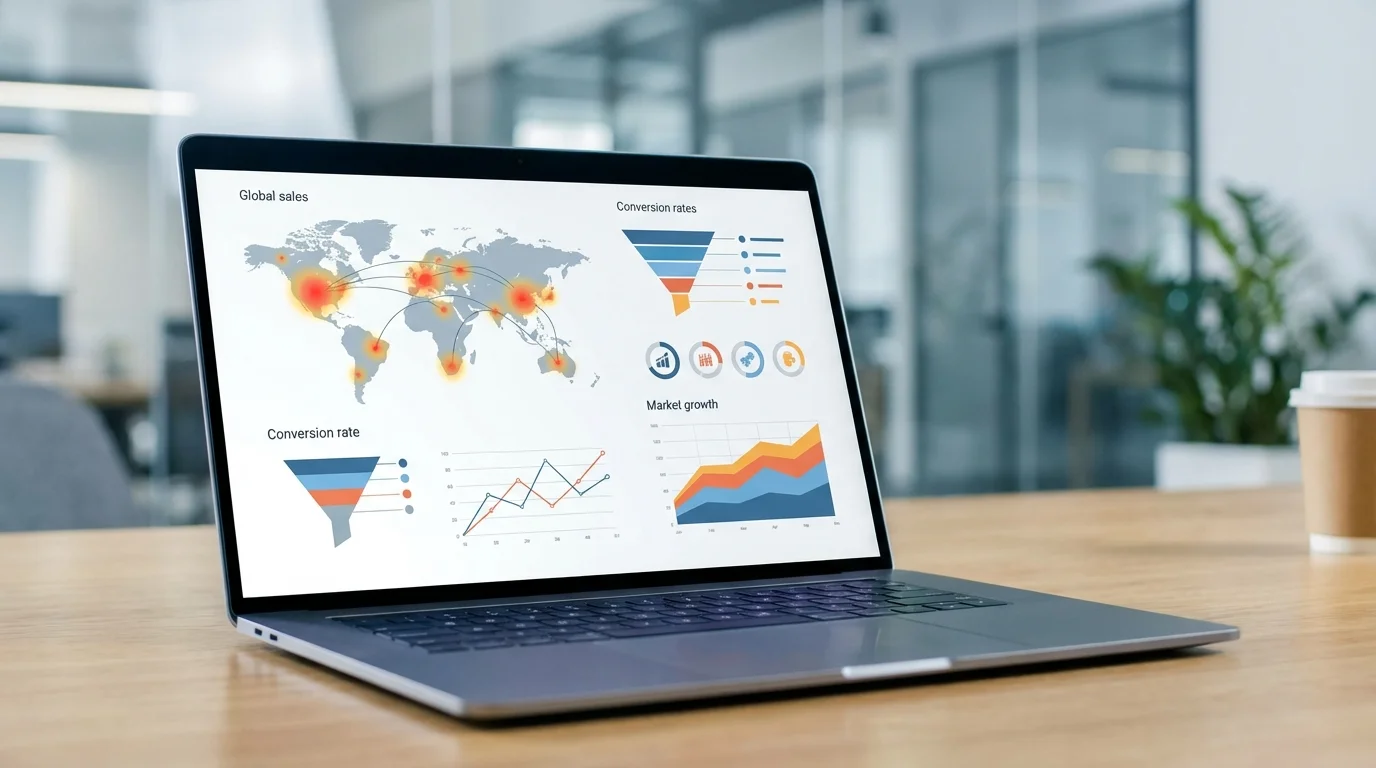
The first step in cross-border EC is selecting target markets through MECE segmentation of global regions by growth potential, competitive intensity, and cultural affinity. Platform selection should consider Amazon (North America/Europe), Shopee/Lazada (Southeast Asia), Tmall/JD (China), and Coupang (Korea). The key is matching product categories to platform demographics and fee structures while evaluating each platform's fulfillment infrastructure.
2. Regulatory Compliance and HS Code-Based Customs Preparation
Regulatory compliance is the foundation of sustainable cross-border operations. Proper HS code classification determines tariff rates and import eligibility. Each country has unique requirements for product labeling, safety certifications (CE marking for EU, FDA registration for US food/supplements), and packaging materials. Building a compliance checklist per destination country prevents costly shipment rejections and legal issues.
3. Logistics (Last Mile) and Payment Scheme Design
Last-mile logistics and payment infrastructure are critical operational pillars. Options include direct international shipping, overseas warehouse fulfillment (like FBA), and hybrid models. Payment methods must accommodate local preferences — credit cards dominate in North America, while Southeast Asia requires COD and e-wallet support. Optimizing the balance between delivery speed, cost, and payment conversion rate is essential.
Take Your EC Business to the Next Stage
Our consultants provide customized strategies tailored to your specific business challenges.
Get Free Strategy ConsultationSummary
Cross-border EC allows SMEs to access global markets without heavy upfront investment. These five structured steps minimize risk while building sustainable international sales channels.
Published: 2026-02-25
References
- [1] Cross-Border EC Startup Guide for Japanese SMEs
- [2] International Logistics and Customs Compliance Handbook