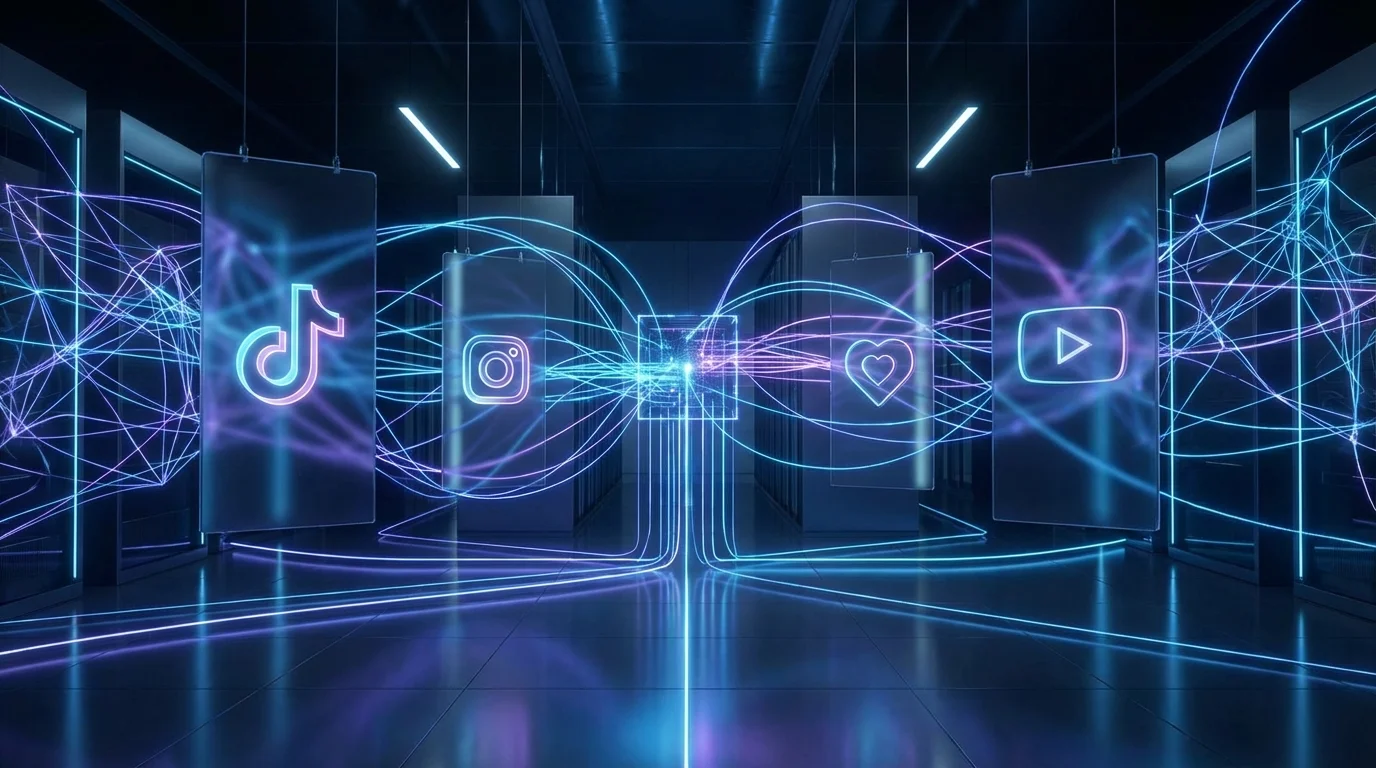

Retention Strategy Using Zero-Party Data: Maximizing LTV with "Declarative Data" Surpassing Algorithms
Due to trends of Cookie regulation and privacy protection, marketing relying on third-party data is reaching its limit. Now, what is attracting attention at the forefront of marketing DX is "Zero-Party Data" that customers intentionally provide themselves. This is not behavioral data based on guess, but "Declarative Data" that directly captures customer's "preference", "worry", and "purchase motive". In this article, we explain professional strategy to dramatically increase retention (existing customer maintenance) and maximize LTV (Customer Lifetime Value) by utilizing this data.

Table of Contents (Click to Expand)
1. Why Zero-Party Data Influences LTV
Conventional CRM predicted "what to buy next" from past purchase history (First-Party Data) with probabilistic algorithm. However, this has a limit of picking up "gift demand" or "temporary interest" as noise.
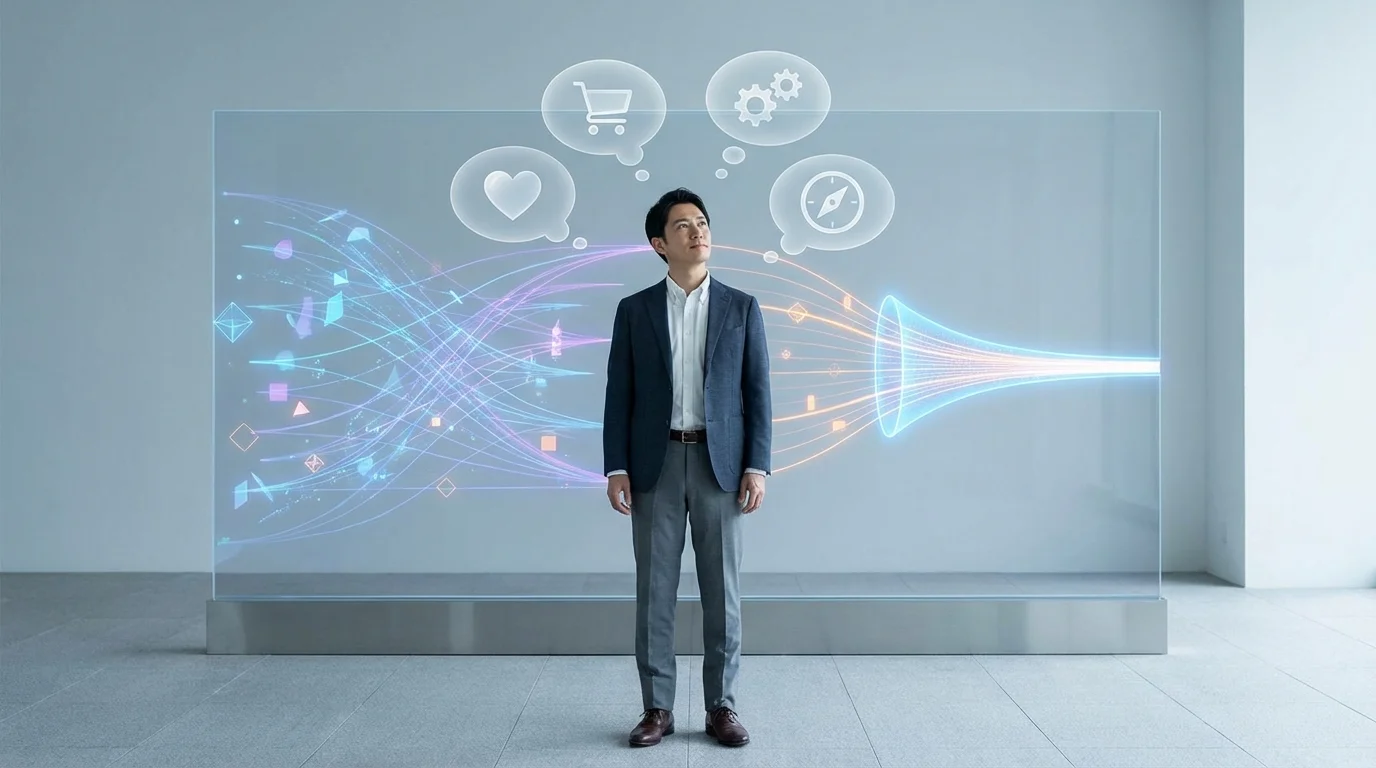
In contrast, Zero-Party Data is customer's own "declaration of intent". Declarations such as "I have sensitive skin", "I want to replace within half a year", or "I like the worldview of this brand" exclude uncertain inference and maximize precision of personalization. This "deepening of customer understanding" is the source that lowers cancellation rate and boosts LTV.
2. Key to Acquisition: Design of Value Exchange
Due to rising privacy awareness, customers do not provide information for free. For acquisition, design of Value Exchange that makes them feel "there is merit for me by handing over information" is indispensable.
- Interactive Quiz: Collect data in the process of proposing optimal solution in a format of answering customer's worries.
- Preference Center: Provision of "My Page" where customers can manage delivery frequency and interests themselves.
- Progressive Profiling: Do not ask everything at once, but acquire information stepwise according to steps of customer experience.
3. Concrete Utilization: CRM Scenario by Declarative Data
Acquired data is immediately linked with MA (Marketing Automation) and reflected in customer service. For example, for segment that answered "prioritize morning time saving most" in skincare EC, content suggesting cross-sell of all-in-one products or efficient care methods is automatically delivered to foster psychological loyalty.

4. Visualization of Retention Effect Based on Data
It has been demonstrated that measures utilizing Zero-Party Data show significant difference of 1.5 times in open rate and more than 2 times in CVR compared to normal segment delivery. The chart below shows change in F2 conversion rate (2nd purchase rate) by data utilization level.
RECOMMEND